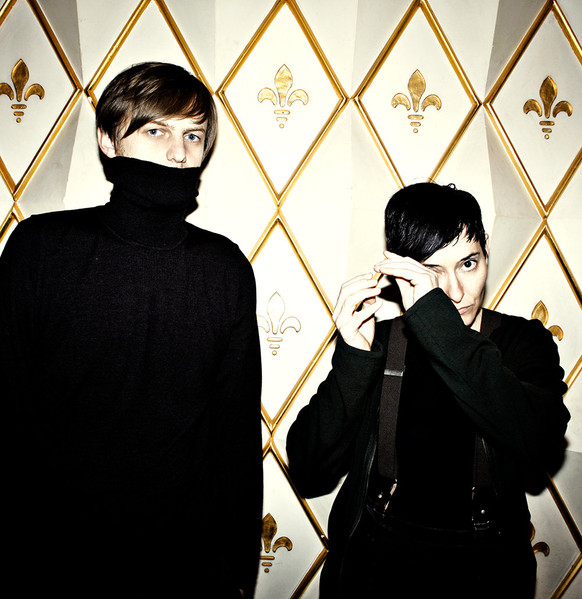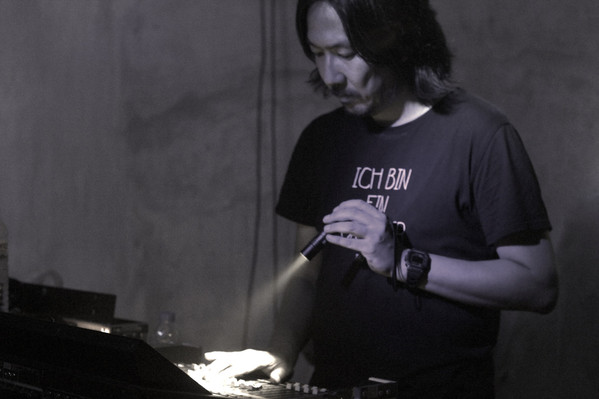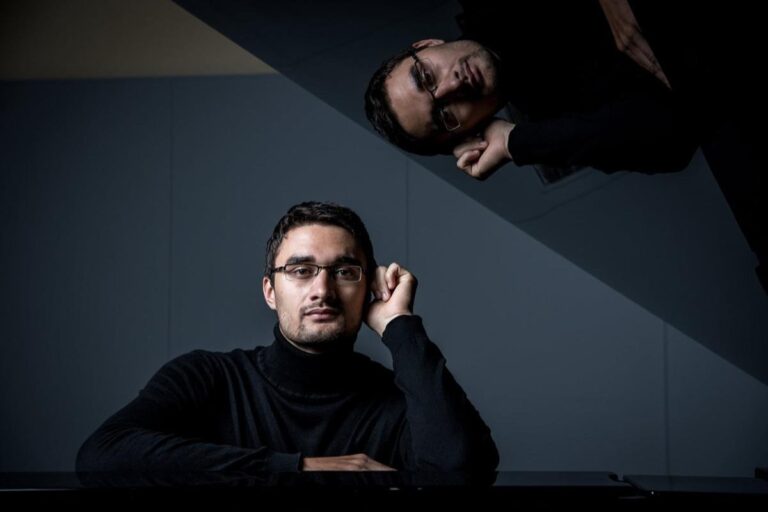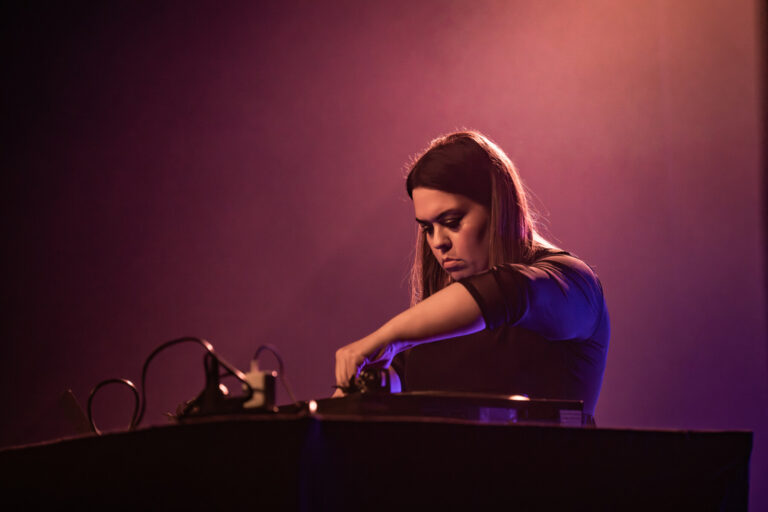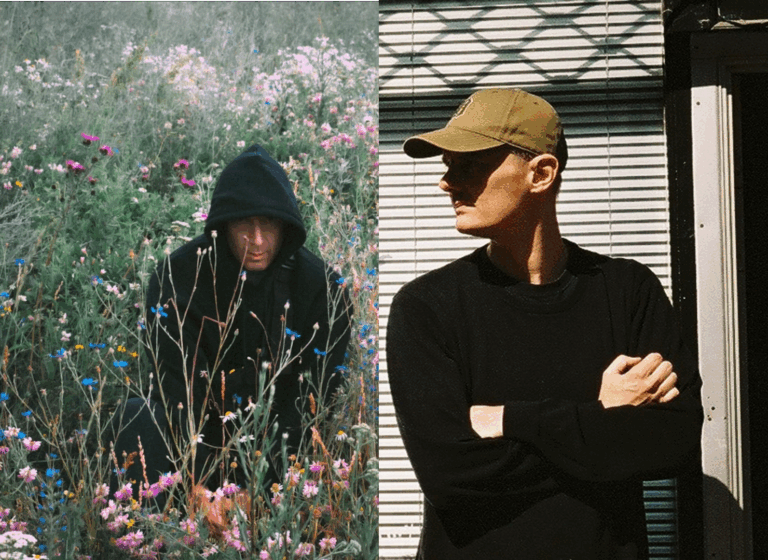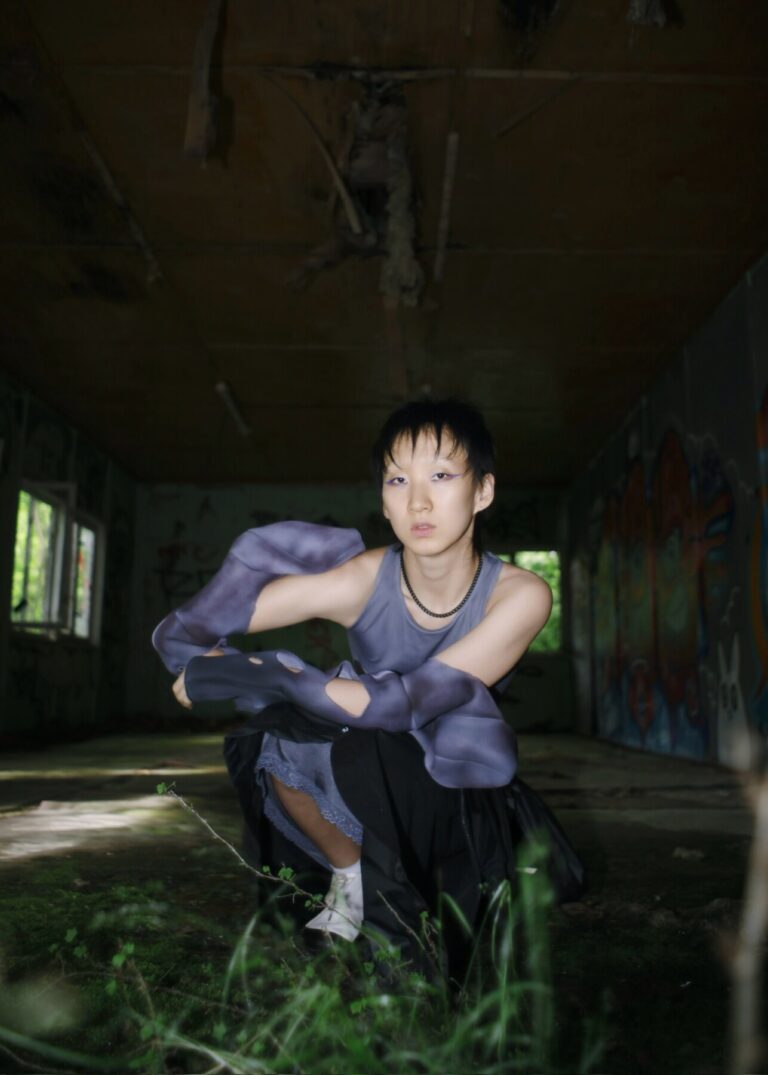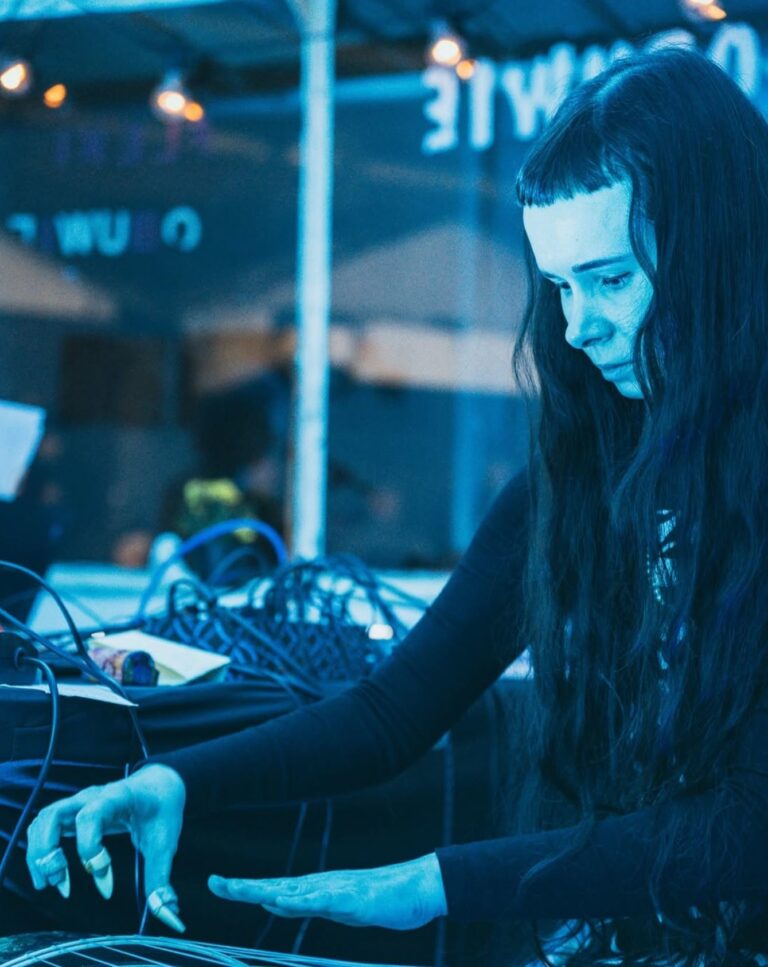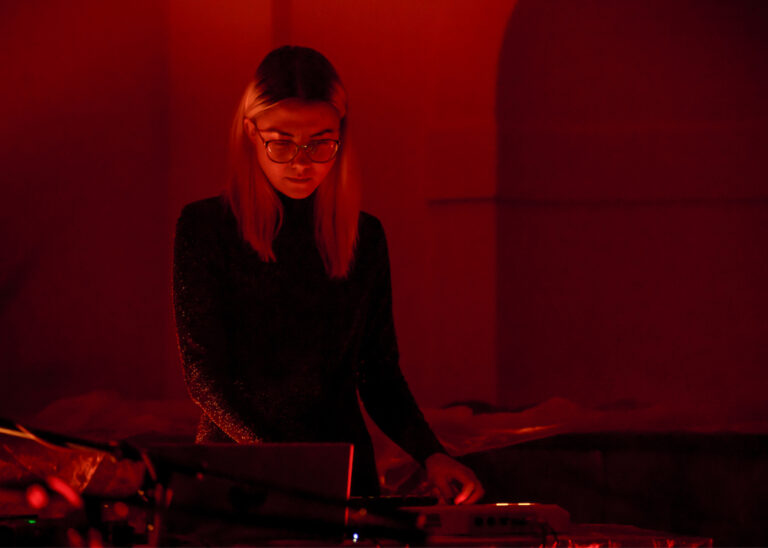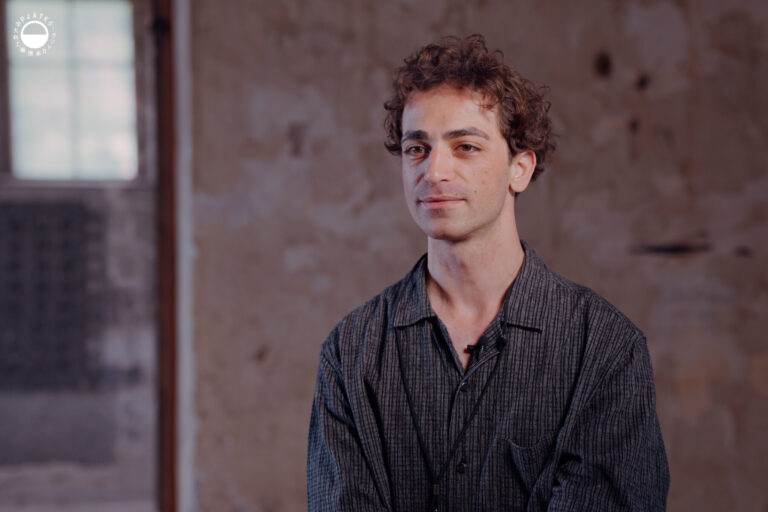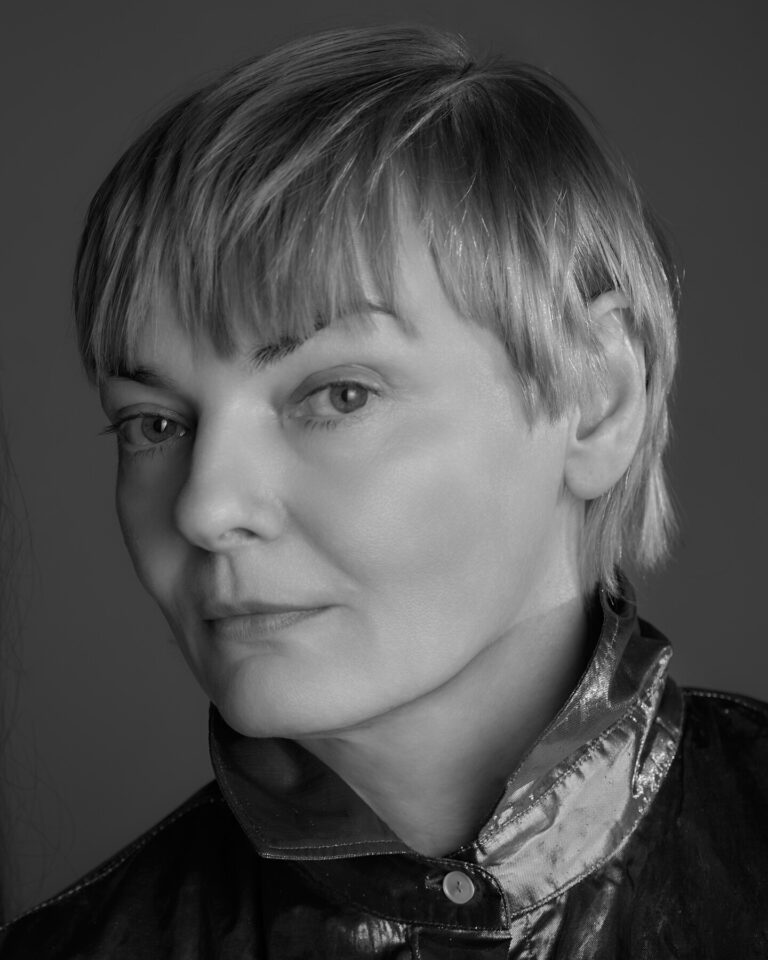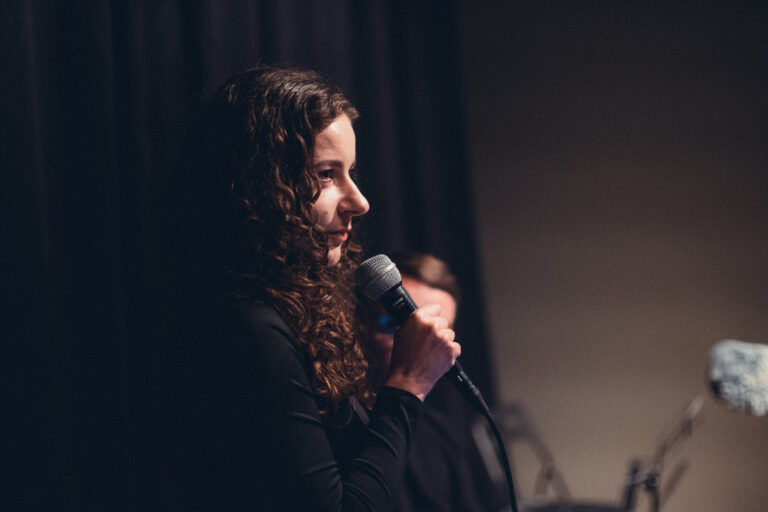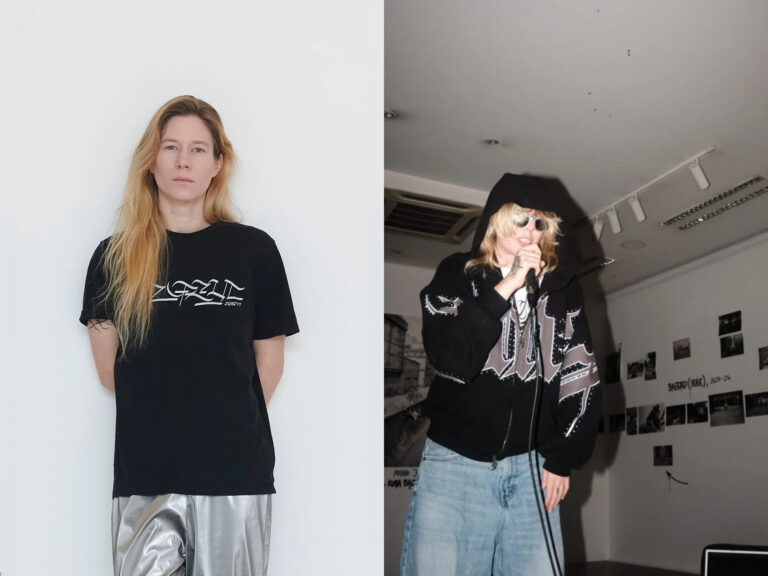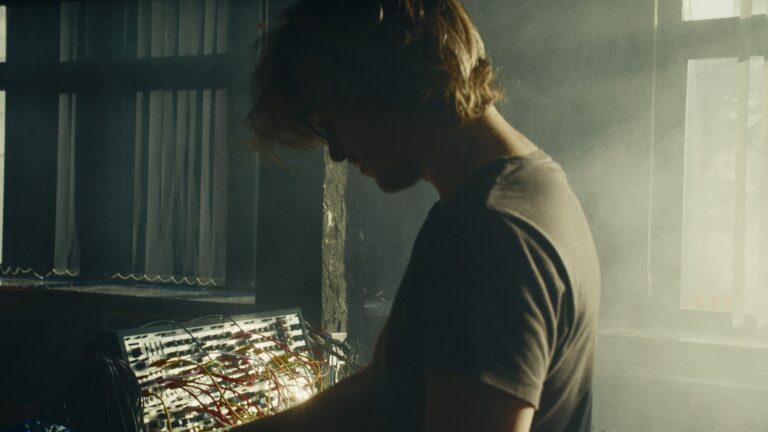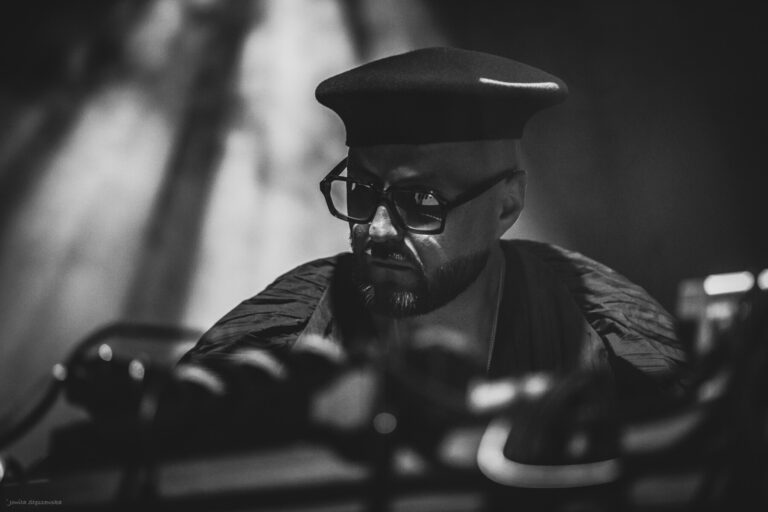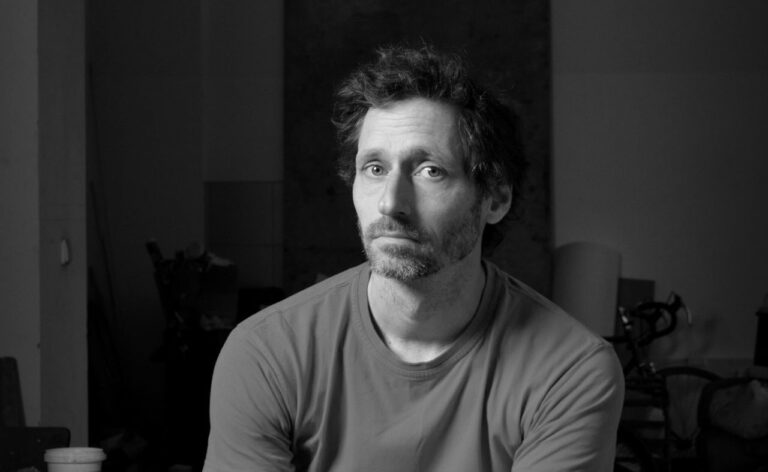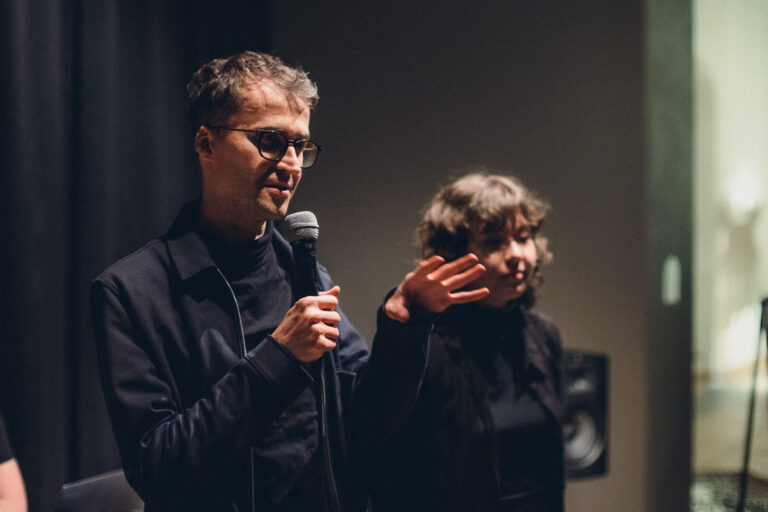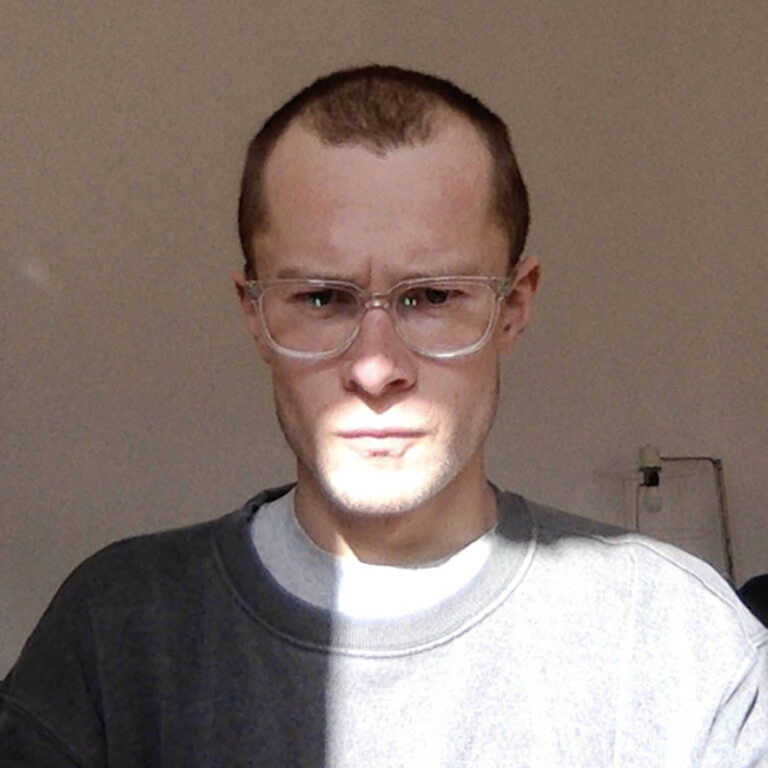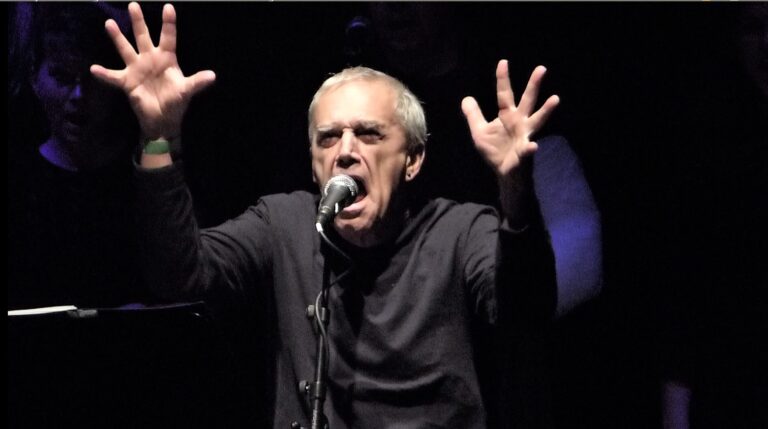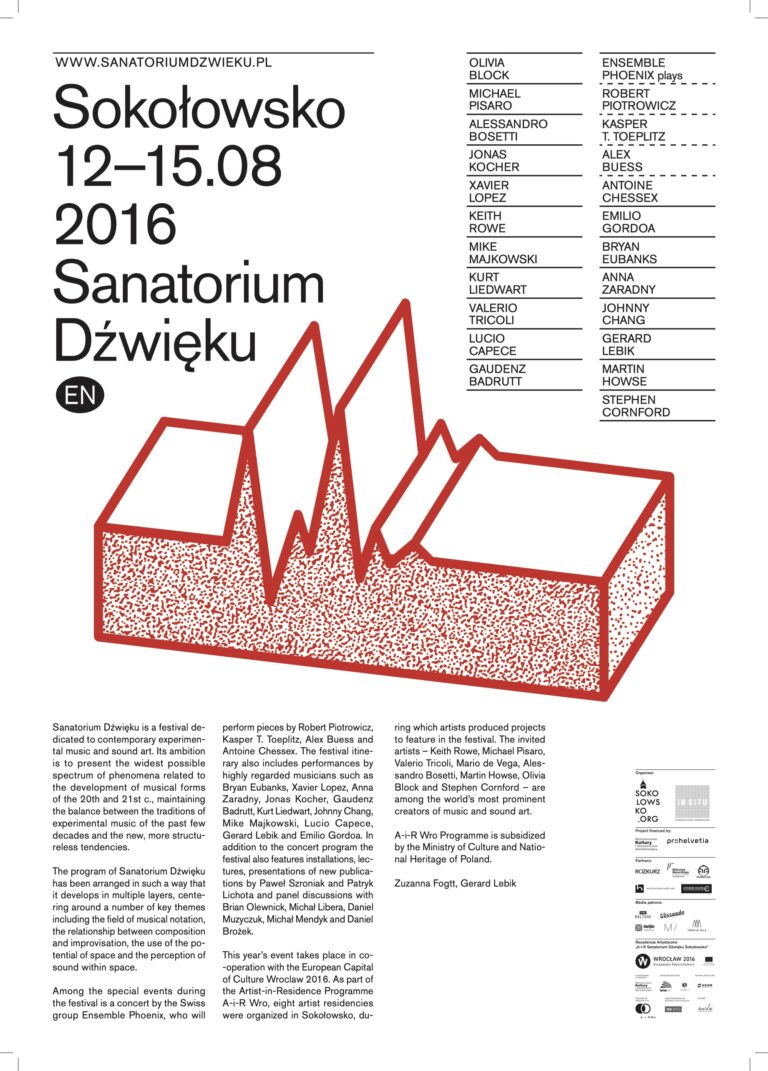
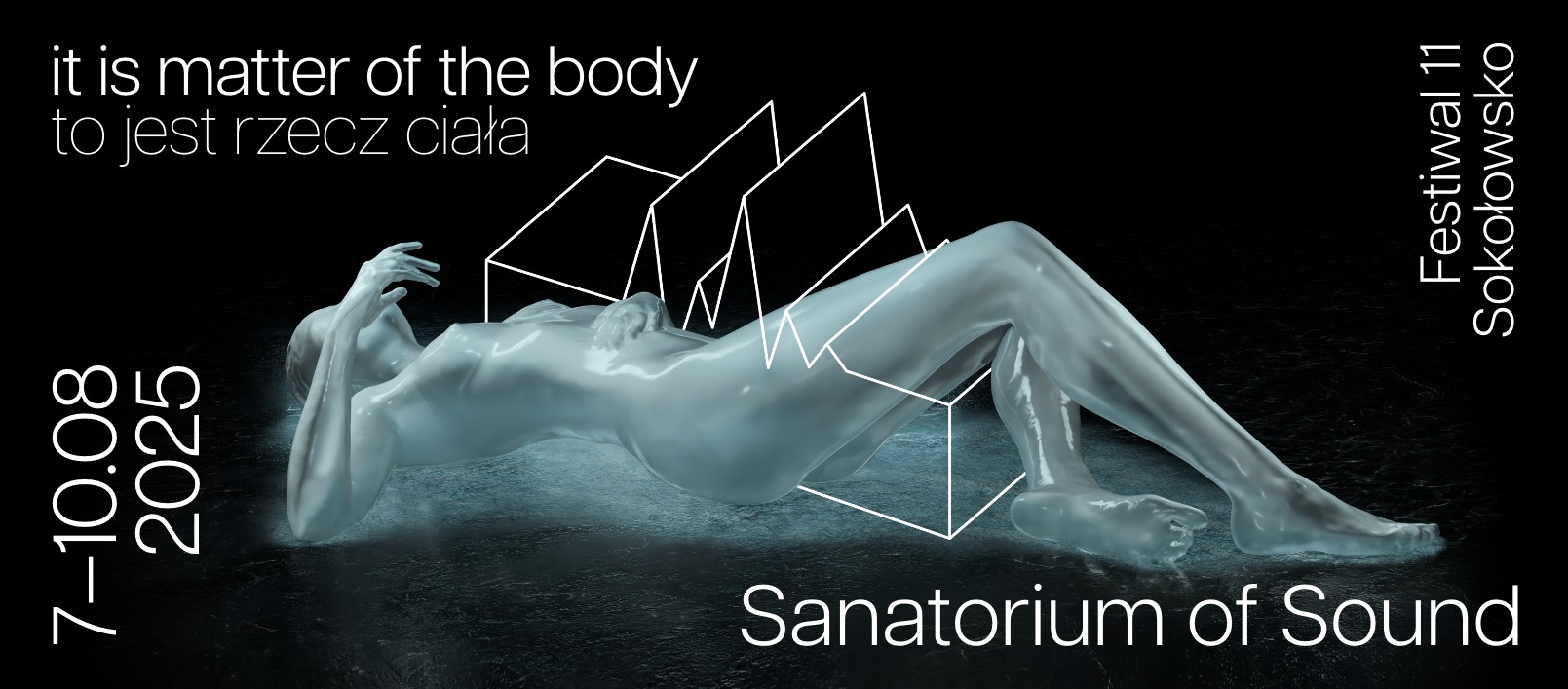
Sanatorium of Sound 2025 returns to Sokołowsko (7–10 August) under the theme “It’s a matter of the body” to rethink sound as a physical and affective phenomenon. Among more than 30 invited artists are Ellen Fullman, Mariam Rezaei, the duo Jacek Sienkiewicz / Robert Piernikowski, and the Berlin-based collective Gamut Inc.
Since 2014, Sanatorium of Sound – organised by the In Situ Contemporary Art Foundation – has consistently combined a contemporary approach to music with a multifaceted reflection on its social, philosophical, and artistic dimensions. This year’s edition will be no different. The four-day programme includes concerts, performances, installations, and panel discussions, offering a broad spectrum of artistic practices: from progressive contemporary music to intersections with visual arts, movement, and text.
The 12th edition of the festival focuses on the bodily dimension of sound – not only as a spatial phenomenon but also as something that resonates within the body and emotions of the listener, opening up new perspectives on shared experience. “We want to present sound as a physical, emotional, and communal force. Vibrating air surrounds us, and our bodies become a crucial part of the experience. The space we create becomes a shared one,” says Robert Piotrowicz, artistic director of this year’s edition.
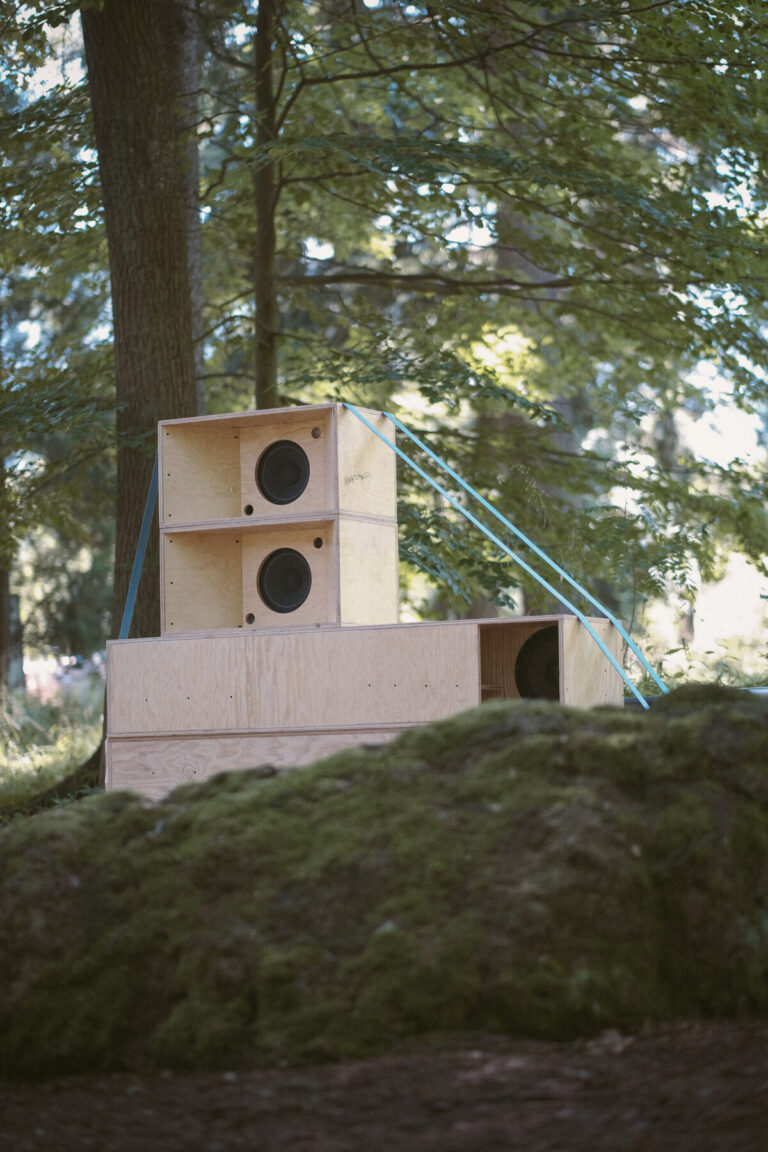
As in previous years, Sanatorium of Sound events will take place in the unique spaces of Sokołowsko – including the Kino Zdrowie cinema, the Multimedia Hall, the Zdrojowy Park, and the picturesque ruins of the 19th-century sanatorium. A new outdoor stage will also appear near the sanatorium, hosting artists such as Mariam Rezaei. These exceptional locations form the backdrop for presenting both internationally recognised figures and emerging artists from the world of experimental sound. The setting of Sokołowsko gives the festival its distinctive character, creating a one-of-a-kind space for meetings between audiences, artists, and critics. For a few days each year, this small mountain village becomes a centre of exchange, integration, and reflection.
Through concerts, workshops, panels, DJ sets, and lectures, the festival invites participants to reflect on identity – both individual and collective – and on the relationships we build with others and with the world around us.
The festival opens on Thursday, 7 August, with a large open-air concert near the iconic Andrzejówka mountain shelter, located just 3 km from Sokołowsko. “The all-night programme will begin with a premiere performance by the duo Sienkiewicz / Piernikowski. A full-scale stage will be set up on the meadow near the shelter, offering a spacious area for the audience. For the first time in festival history, we are inviting the public to join us for a night-time open-air concert,” explains festival director and In Situ Foundation president Zuzanna Fogtt.
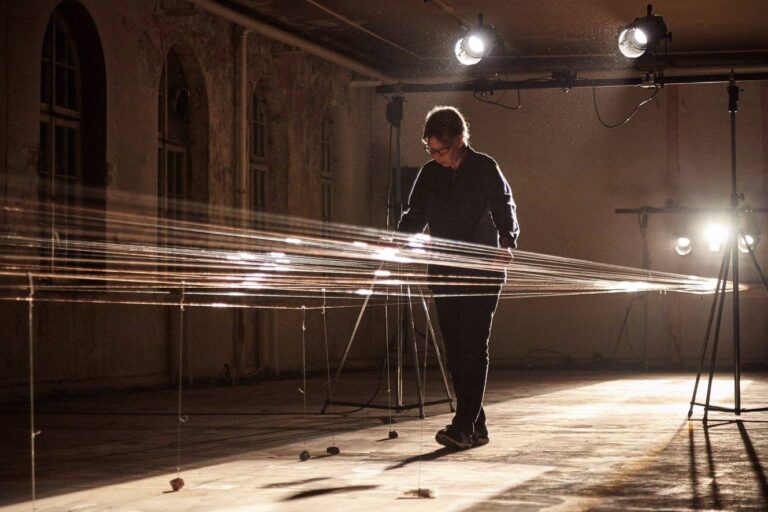
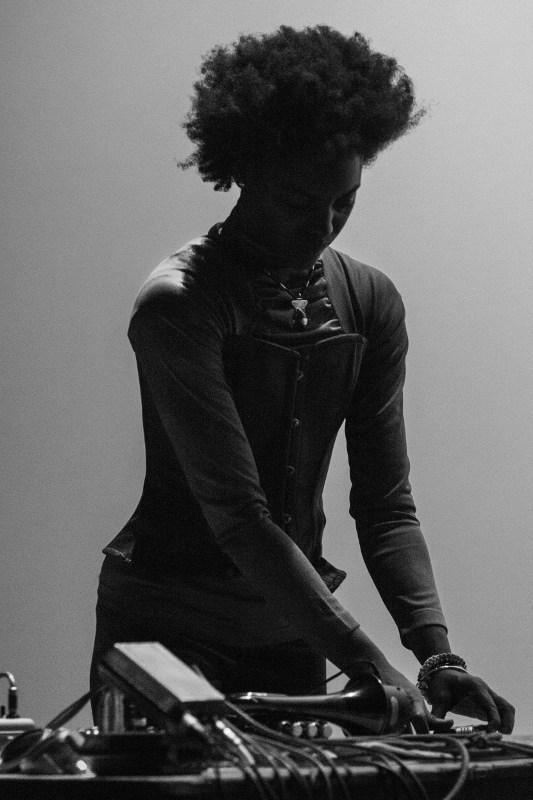
Among the first key names announced is Ellen Fullman – an icon of the experimental scene whose Long String Instrument transforms architecture into a resonant, pulsing structure. Her performance – a blend of sculpture, composition, and physical interaction with dozens of metres of strings – will be one of the central points of this year’s programme.
Another highlight opening the festival will be the debut collaboration between Jacek Sienkiewicz and Robert Piernikowski. Sienkiewicz, a pioneering figure in Polish techno and founder of the influential Recognition label, is also an exploratory sound artist continually expanding the field of his practice. Piernikowski, meanwhile, has redefined the Polish rap scene, ultimately stepping away from his signature voice altogether. Their collaboration promises to be an exceptional meeting of sensibilities.
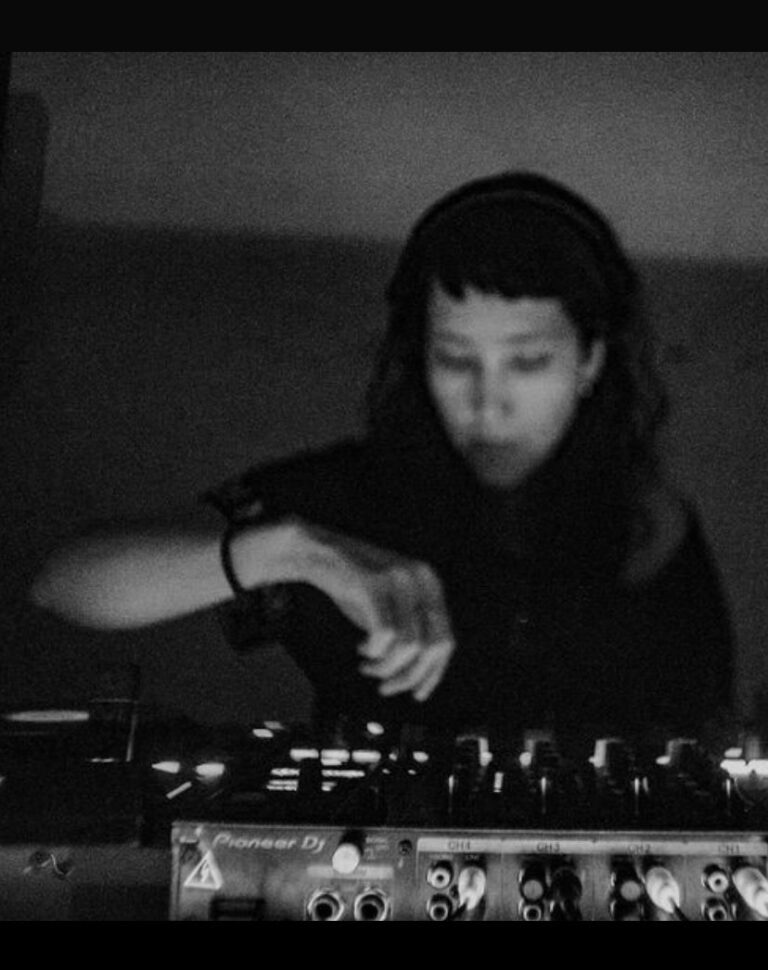
Also joining this year’s programme is Mariam Rezaei – a British-Iranian composer, turntablist, DJ, and improviser. Her work combines hip-hop scratching techniques and beat-juggling with sound art and complex forms of contemporary classical composition. Fuelled by freedom and rebellion, Rezaei fuses club energy with intricate electroacoustic structures. Her hyper-fast sonic surrealism makes her one of today’s most innovative voices in turntablism.
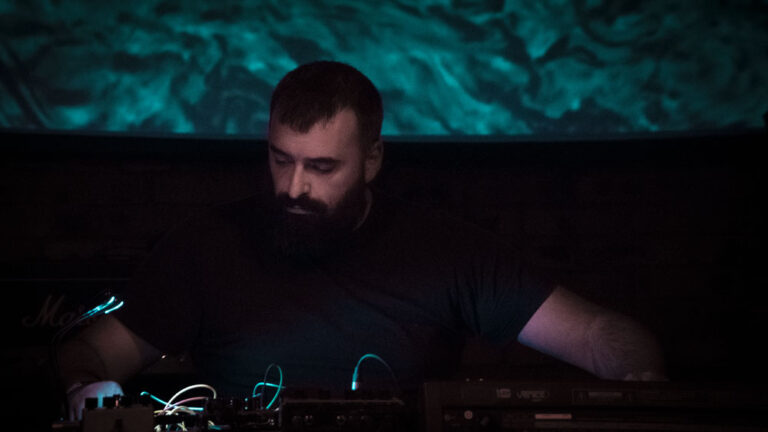
Rounding out the first group of announced performers is the retro-futuristic Berlin duo Gamut Inc, composed of graphic designer Marion Wörle and composer/guitarist Maciej Śledziecki. Together, they design and build custom computer-controlled sound machines – from robotic percussion to automated harmoniums – and program church organs. Their work transcends human physical limitations on traditional instruments, using MIDI to explore critical relationships between humans and technology.
An important element of this year's edition of the Festival will be the fifth installment of cooperation with the creators of Biuro Dźwięku Katowice – Zuzanna Waltoś and Piotr Ceglarek, who, as part of the Biuro w Sanatorium program, will once again enrich the event with profound auditory experiences, allowing the audience to immerse themselves in sound in a multi-channel dimension.
At the BDK's outdoor, multi-channel installation, Piotr Kurek, Jędrzej Siwek, and Piotr Wojtczak will perform at their special invitation.
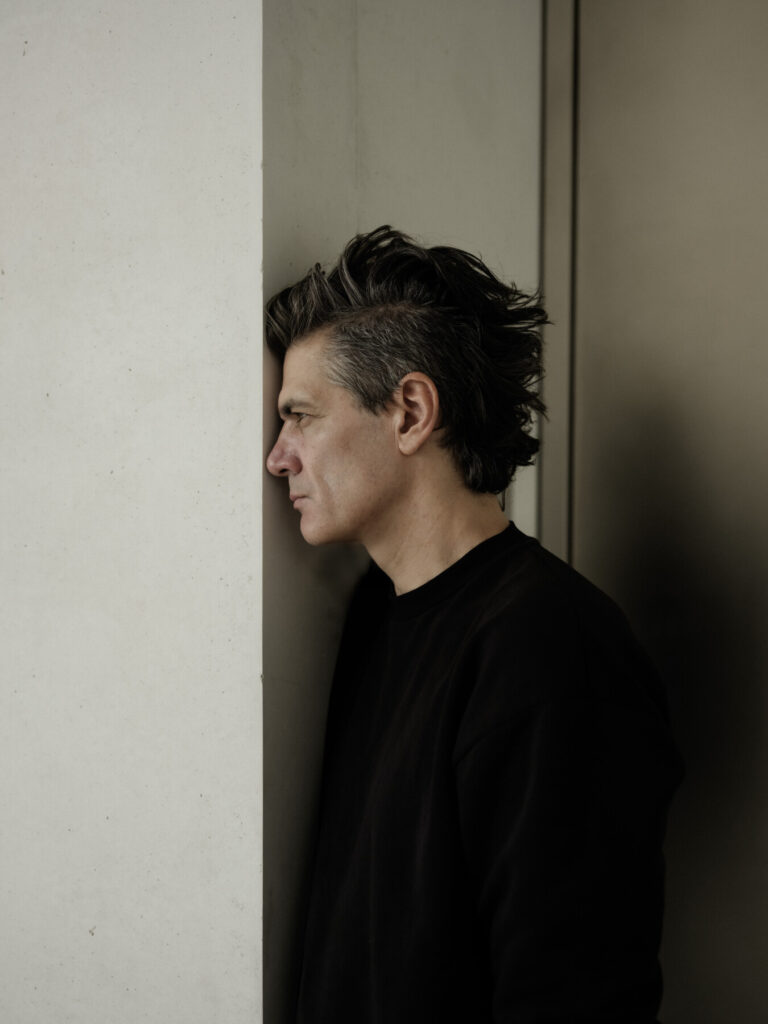
Piotr Kurek is one of the most interesting artists on the Polish experimental scene, who will present a concert based on his material created at the turn of the 1990s and 2000s. Jędrzej Siwek, a Silesian sound artist, will perform a two-hour DJ set on two turntables, a four-track tape recorder, a mixer, and effects, smoothly developing the narrative towards sound art, ambient, classical music, drone, and lo-fi. Piotr Wojtczak will present material prepared as part of last year's 26th BDK Micro-Residency, adapted to the context and acoustics of the Spa Park.
Brickmen DJ Set - part 1
Piotr Kurek
Brickmen DJ Set - part 2
Panel: Instytut Narutowicza
GALAS - art breakfasts + DJ Set: Adam Radź
BDK: Piotr Wojtczak + Literary Intervention / Prose / What We Allow Ourselves and Others: Emilia Konwerska
Panel: Emilia Konwerska / Robert Piotrowicz
Canti Spazializzati #20: Michał Sember / Czarny Latawiec
Panel: Instytut Narutowicza
HOUSE CONCERT - Marek Pospieszalski
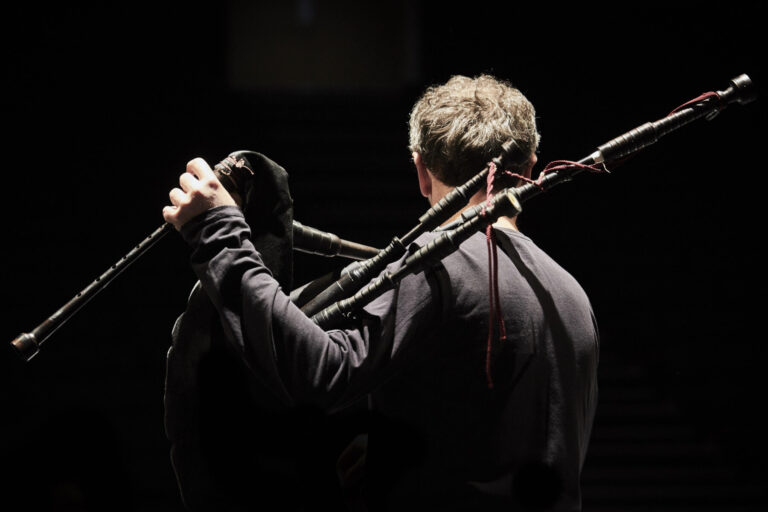
Xenon x PLK, Erwan Keravec, DJ Set: Sienkiewicz
Preemptive Listening (dir. Aura Satz)
GALAS - art breakfasts + Dj Set: Edka Jarząb
Preemptive Listening (dir. Aura Satz)
BDK: Dj Set: Jędrzej Siwek + Interwencja literacka / poezja / Klucz - Emilia Konwerska
Panel: su dance110 / Natalia Sielewicz
Mudaki
Canti Spazializzati #20: Alina Dzięcioł / Piotr Bednarczyk
Panel: Instytutu Narutowicza
HOUSE CONCERT - Marek Pospieszalski
Zamknięcie Festiwalu - Dj Set: Rabih Beaini (after party)
The Sanatorium of Sound is a festival dedicated to experimental music and the broad spectrum of sound art. Its main aim is to present the widest possible range of phenomena related to the development of musical forms in the 20th and 21st centuries. Thus far, the festival has showcased works by approximately 250 artists from around the world, many of which were created specifically in the context of the place during artistic residencies in Sokołowsko.
The Sanatorium of Sound Festival is not only about concerts but also a series of projects on the border between sound art and performance. It includes educational workshops, panel discussions, and projects dedicated specifically to this event, such as compositional commissions, artistic residencies, and curatorial practices related to the ecology of sound, architecture, nature, and medicine, created by musicians, composers, interdisciplinary creators, experts, theorists, scientists, and sound artists. The festival takes place in several locations in Sokołowsko, including the Zdrowie Cinema-Theatre, the Multimedia Hall, the Spa Park, and the ruins of a 19th-century sanatorium. The festival annually gathers around 1000 participants from around the world, attracting a unique, multi-generational audience. The festival is led by Zuzanna Fogtt and Robert Piotrowicz.
The Sanatorium of Sound Festival is organized by the In Situ Foundation for Contemporary Art in Sokołowsko. The main goal of the foundation is to create and maintain a space for art, education, and interdisciplinary creative processes. Since 2007, the foundation has been promoting activities in the field of international heritage dedicated to contemporary art and culture, with a particular emphasis on music, sound, visual art, performance, and film. In Situ organizes various cultural events, such as the Sokolowsko Film Festival Hommage à Kieslowski, Contexts-International Festival of Ephemeral Arts, Sanatorium of Sound, and since 2017, has been managing the archives of Krzysztof Kieślowski.
The Sanatorium of Sound Festival has been held since 2014 in Sokołowsko, a picturesque mountain village on the border of Poland and the Czech Republic. Sokołowsko is an extraordinary place on the map of Poland, where Dr. Hermann Brehmer once established the world's first specialized health resort and sanatorium for pulmonary diseases, serving as a prototype for the famous Swiss Davos. Currently, the 19th-century neo-Gothic building designed by the renowned Jewish architect Edwin Oppler is the seat of the "Laboratorium Kultury" created by the In Situ Foundation for Contemporary Art.
The Sanatorium of Sound Festival has been supported and cooperated with cultural institutions in Poland and abroad, including the EEA, the Ministry of Funds and Regional Policy, the Ministry of Culture and National Heritage, the Adam Mickiewicz Institute, Pro Helvetia, Kultur Des Bundes, the Polish-German Foundation, Fond Podium Kunsten, Polish institutes abroad, and independent NGOs, organizing events such as the Sanatorium of Sound Festival in Sokołowsko (2015-2023), Polish experimental music in Scandinavia (2015-2016), Polish Musical Avant-garde of the 20th century in Western Europe (2018-2019), and HILO - Polish-Norwegian Platform for New Music Development 2022-2024.
Every year, the Sanatorium of Sound focuses on a different theme, adapting the program of the current edition to the main idea of the festival.
The first time I said the word 'body', I felt it, I heard it, and I understood it. All of this happened in the very same moment, though only later, when I saw people running toward me, did I grasp the meaning of that process. Were they carrying themselves in my direction, or was it merely their image reaching me? Or perhaps it was the noise they made, pounding their shoes on the wooden bridge, shouting at me. What they were doing, I didn’t know. But I felt it in such a way that it couldn't be more.
When we observe qualities — those phenomena and ideas that surround us — we work hard to come to know them. We try to grasp them, assign them meaning, understand their presence. We move in cycles, where experience always precedes the accumulation of knowledge. With each step, we uncover further layers of pulsating elements that surround us, and yet often (perhaps always) we remain unfulfilled — though kindly embraced by what we hear.
It might be an oversimplification, but it concerns those dominant modes of knowing that societies readily adopt — quick, efficient, the kind of attitudes content with superficial perception. And yet, this is often the source of constant frustration. Or excitement. This process has no end. We move, shift directions, always searching — to experience, or to know? Does this question even make sense? Perhaps it’s in this very uncertainty, in the constant motion, that we are closest to ourselves.
One can — and this happens constantly — attempt to domesticate and organize experience. To subordinate it, control it, restrain it. Including that which is audible. The entire theater of sonic events can be subjected — clarity and precision tamed, ready to be repeated, to be performed again. But experience is always here and now, singular, full of affect. We are not merely collectors of data, arrangers of libraries, but just as much — subjects of sensual resonance.
We cannot look both ahead and behind us at the same time — that is obvious. Evolution has given us another tool for spatial control: by being in sound, we listen all around ourselves. We distinctly perceive depths, distances, the complex structure of auditory reality. Is this not clear evidence that sound, existing all around us, is a body — not a flat phenomenon projected onto an invisible dome?
Yes, we are accustomed to associating sound with the image of our surroundings, a landscape with its own kind of horizon encircling us. But sound is like an invisible, mobile architecture, or rather, a sculpture in motion unfolding around us. And in fact, it is we who inhabit the space that it occupies, tracing its structure with moving air.
How does this omnipresence of an active sense, one that constantly scans our surroundings, shape our humanity? We function within this material, though invisible structure, immersed in vibrations — we breathe and move within it. What, beyond the corporeality we share, further enables us to comprehend the world?
Will our virtues benefit from practicing perceptual sensitivity? Will it make us more rational? Will deeper understanding help us become fully aware? Or perhaps becoming more sensitive to sound will instead pull us away from this order of the world — so that our virtues might be released, even for a moment — and push us into that phenomenon impossible to express in words, the phenomenon of sound.
So often we must assign it meaning, compare it to natural phenomena, to familiar practices coded into reality. In doing so, we strip it of its autonomy, because it is — sometimes, though not always — so difficult to treat sound as an element in its own right. We feel compelled to consume it with additions, with other ingredients of reality.
Training the virtues of the body, the qualities that allow one to make space within oneself for another body, may sound like some ultra-esoteric mindfulness. But let us allow ourselves a bit of room for actions that seem senseless!
Does caring for cognitive virtue not expose us to a certain confusion of those virtues? Perhaps an excessive intensification of sensitivity to sound doesn’t benefit other virtues at all — on the contrary, it may sabotage our dispositions.
Will our expanded boundaries of grasping this element help us better orient ourselves in traditional Euclidean space? Does awareness of a new presence around us support us — or does this excess disorient us, over-poeticize our surroundings?
It happens — and I claim it happens almost always, at least for a person even minimally sensitive to sound — that the simplest, most distinct sound (not necessarily a loud one) takes hold of the listener in a way far more significant than any corresponding visual element.
Would the white facade of a garage in a housing estate make the same impression as an equally distinct, self-contained sound — as simple as that expanse of white? This is an idealistic assumption. I have no ambition to arbitrate the dispute between the visible and the audible. I’m only trying to grasp how much, through its corporeality, sound differs from the visual environment.
For sound to begin to distinguish itself, to allow itself to be noticed, silence is sometimes needed at first. In many of our experiences, darkness also heightens this perceptual sensitivity. Do we need a background whose meaning fades with the onset of sound — and is that, for us, a necessary condition? Here, I want to draw attention to that crucial moment — the appearance of sound and the change in status of the environment in which we find ourselves — both in a perceptual and affective sense. This is the moment when space acquires a new dimension, and our presence within it is reformatted by the emergence of a meaningful presence. This change may be barely noticeable, or it may be dramatic and radical. Do we perceive these changes the same way we do changes in light? Likely so, in terms of volume — “it became quieter.” Attentive listening is surely one of those practices that enrich our perceptual virtues — capacities that shape not only our sensitivity, but also our way of being in relation to our surroundings — our perception of ourselves in the world. We are in motion.
In this configuration, the orientation of pleasure — for I do want to think of it decidedly as pleasure — can be understood as occurring in at least two directions. The performing person, depending on the medium they engage with, always attains a certain bodily pleasure; the sound that carries their presence on stage brings satisfaction to the one performing — who, most likely, also wishes to extend this to those who listen. Their bodies, in one way or another, also experience pleasure. This is, of course, a description of a model — of how potential delight might circulate — rather than a guarantee of its presence and distribution during a sound performance. It is precisely this dispersal of pleasure that leads us to ask about its directions and dynamics — about how the body of sound operates simultaneously inward and outward.
What stands out is the duality of the corporeality we are considering — not so much stretched between what is inside and what surrounds, but rather simultaneously rooted in both orders, without the need for paradox or exclusion. Resonating within one of the participating bodies, sound simultaneously spreads outward — permeating space, creating relation. The intensity of this dynamic depends on the listener’s activity — on their readiness to absorb and let pass through themselves that which is materially immaterial.
If we look at this process as an energetic field encompassing the concert space, we see one objective, corporeal being of sound, and around it bodies immersed in the same vibrating cloud — clusters of separate yet resonating centers of tension.
Despite its seemingly esoteric character, this description is grounded in real, bodily experience — it is empirical, even rooted in common sense.
Does somatic experience belong to “higher” aims? Perhaps the everyday experiencing of the body is ordinary, prosaic. And yet — it happens that precisely then, during exercise, running, tension — corporeality exceeds us, becomes something more. Personally, I cannot fully appreciate the pleasure of thinking if it is not accompanied by a physical passage through the body — that marked trace.
so — what does the performer do now?
What position do they occupy?
Are they merely the one who manages the cloud of bodies?
Or rather, should we place the sounding performer
at the center, which instantly disperses, becomes one —
pulsing outward toward resonating participants,
only to receive their returning energy moments later.
This movement in time is so imperceptibly variable
that — giving in to a wave of enthusiasm —
I’ll risk the claim: the center unravels.
Its outer amniotic waters become a shared body —
a single vibrating body is born.
The whole situation ceases to be a spectacle.
It becomes a state.
A state of experience shared by many at once,
each simultaneously feeding their private, trembling affects.
This pre-religious focus
sends us back to the origins of need,
to its rudimentary quality —
archetypes
which, even if we do not immediately recognize them within,
we nonetheless live with
in a constant alchemical process.
This is voluntary, declared participation.
The body of the community can then become saturated with political togetherness —
not through manifestos or agendas, but through the very act of presence.
This symbolic agency — to be together in sound —
creates a space for nurturing values, for being with one another in concord,
for integration that does not need to explain itself.
It’s not only about boundary-line catharsis.
It’s also about subtler forms of how the affective field operates:
a temporary suspension of defense, the resonance of support,
or even — under the right conditions — quiet forms of resistance.
Because shared listening can be a political gesture.
A body that demands nothing — and yet changes everything.
Perhaps it is sound, as a non-representational medium,
that allows us to act together before we even think to do so.
After all this, something remains — and it isn’t always something you can call a memory. Sometimes it’s a tension in the neck, a quiet impulse in the body you don’t recognize, but you know it’s been there before. Something has been inscribed — maybe not the sound itself, but its presence. A vibration that continues to pass through you long after everything has dispersed. Because that community — though it no longer exists — still resonates somewhere. In the background, in the body, in the rhythm of a day suddenly thrown off course. It doesn’t have to be a visual memory — it’s more like a splinter of energy, a fragment of that state that hasn’t gone out. And even if everything has scattered, it still was — and that was doesn’t let go. Sometimes all it takes is a muscle tightening, a sonic afterimage, and it returns. Not the whole, but the phantom. And we, after all, are composed precisely of such traces. A spectral community still trembles within us — as trace, as micro-empathy, as something that cannot be explained, but is known to have been there.
Sometimes memory disperses the community. At other times, the community remains in the body — as a trace, as somatic memory. It is not about history or precision. It is about an imprint in the tissues, a shadow of experience that doesn’t vanish. It stays — like a soft rupture in breathing, like a tension that evokes something more than a memory. This does not need to be understood.
The memory of bodies that once resonated together transforms into symbolic agency. For a wave — even if it has long gone silent — does not fade. It is from this wave that we can draw: to nurture values, to cultivate integration, but also to sustain micro-resistance. The quiet kind — sensuous, untranslatable into any manifesto.
The emotions that were born there do not end with the concert. They spill into everyday life, expand within the body, flow through gestures. The micropolitics of emotion operates beyond declarations — precisely when the community has dissolved, but left behind a radiating transformation. Then the body remembers, even though everything else has long since changed.
Perhaps it is not always necessary to entangle oneself in resistance, choosing instead a freedom beyond the compulsion of constant conflict. This is not an escape — it may rather be a gesture of self-determination, a replenishing of spirit, a cleansing of the body from social toxins. A readiness for more. Our bodily autonomies deserve more.
Almost at the very end, I would like to speak once more about the power of the phenomenon this text revolves around. Not about its meaning anymore, but about its overpowering presence — the kind that draws one in without asking for consent, yet receives immediate consensus. It happens beyond an act of will, and yet it is accepted — often with great joy. This permanent state of bodily susceptibility does not require conscious consent — it is, as it were, already inscribed in us (excluding here, of course, any deliberate acts of sonic violence, torture, or other forms of oppression).
When I lose control and go blindly, carried by its enthralling energy, I drift through a dream taking place in my tangible reality. In the unconscious lies all the power — an immediate reaction, a bodily response of the flesh-envelope, which allows me to feel. This somnambulistic paradox — dispersing presence — blurs the boundary between the ecstatic sensing of the here and now and the oneiric unreal. It is a state in which we move from conscious declaration, from the will to participate — into an almost hallucinatory introspection, where boundaries no longer serve separation but rather a merging into unity.
This regime may seem somewhat violent — I surrender without a chance to respond, without a way to convey the peaceful assent. But isn't that precisely the process of consensual domination, which I myself postulate, aspiring to threshold experiences — not only transitions I undergo alone, but those traversed together with others? It is the response that becomes the reason preventing me from seeing the sonic experience as anything other than a goal shimmering somewhere on the cognitive horizon of the background, always seducing — even when I’m not thinking about it. That is desire. That is the affirmation of somatic courage.
Notice — not once in this text has the word “ear” appeared, nor “ears.” Even “listening” barely slipped through. That was no accident. I haven’t forgotten the process that makes this entire experience possible — the physical qualities of our bodies that allow us to live through sound.
I deliberately avoided that realm — not to exclude it, but to shift the focus. I spoke of perception through space, through air, through our bodies. Through the experiences inscribed in them, through the body’s readiness to experience. This creates a specific image: the image of performing, trembling air. And that is precisely why — at the very end — I can gladly say: sound is also visible.
This is not a metaphor. Not a conceptualization. Not a symbolic transference. It is a description of ongoing physical processes — each with its own volume, shape, and range.
We are surrounded by forms of agitated gas particles. Let us not forget solid bodies, or liquids — everything that can become a medium for the propagation of an acoustic wave.
This physicality of sound is real. It is part of reality. It is objective. It is not a representation — it is a presence. It is here, with us.
And if someone says: “this is unclear”, you may answer:
→ because the experience of sound isn’t clear either. It is bodily, it trembles, it is momentary.” So is my text.